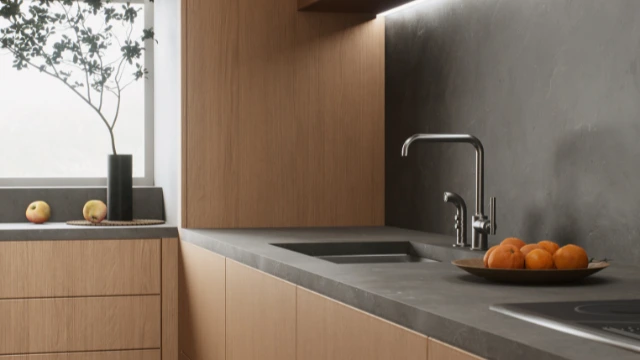
In urban living, a large, spacious kitchen is a luxury few can afford. Instead, most of us contend with compact kitchens — spaces where every inch counts. Yet, settling for cramped or uninspiring designs is no longer necessary. At Bento Reno Group Inc., we know that size is no barrier to style or function. By applying strategic design principles and smart solutions, your compact kitchen can be transformed into an efficient, beautiful, and completely personalized cooking hub. The secret lies in designing vertically and thinking smartly about storage.
The Art of Vertical Design and Smart Storage
First and foremost, when floor space is limited, you have to use the walls. Traditional kitchens often leave empty space between the top of the cabinets and the ceiling. However, adopting floor-to-ceiling cabinetry in a compact kitchen instantly increases storage volume. Additionally, choosing custom millwork here is a game-changer. Our designers can tailor interior shelving to meet your specific needs, accommodating everything from specialty spice racks to hidden pantries.
Next, consider each surface of the work. Instead of sacrificing valuable counter space for appliances, design dedicated appliance garages or pull-out shelves within cabinets. This keeps counter clutter to a minimum, ensuring that your workspace remains clean, which is important for both cooking workflow and maintaining a sleek, uncluttered aesthetic.
Strategic Layouts and Appliance Choices
Additionally, the layout itself should be streamlined for maximum efficiency. In compact kitchens, the “working triangle” (sink, stove, and refrigerator) should be closely aligned to minimize steps and maximize speed. For very small spaces, a one-wall kitchen or galley layout is often the most efficient choice, promoting continuous flow without wasting corner space.
Additionally, smart appliance choices are crucial. Instead of bulky, full-size units, explore smaller, integrated appliances. For example, narrow 24-inch refrigerators, compact dishwashers, and combination microwave/convection ovens save valuable square footage while still delivering professional performance. Integrating these appliances behind cabinet panels ensures a clean, unified look that prevents the space from being overwhelmed by stainless steel.
Style: Brightness and Cohesion
Ultimately, a Compact Kitchen doesn’t have to look small. Style choices can visually expand the space and inject personality.
For example, light colors are your best friend. White or light-toned cabinetry and reflective materials like glass backsplashes bounce natural light around the room, making it feel more airy and open. Similarly, using the same, continuous flooring material in the kitchen and adjoining living room creates a sense of seamless flow, visually blurring the boundaries of the space. To keep the look from feeling sterile, introduce character through unique hardware, a striking light fixture, or a small section of open shelving to showcase curated items.
Ultimately, your compact kitchen should be a testament to smart design, not a compromise on your culinary ambitions. By embracing custom millwork from floor to ceiling, choosing integrated appliances, and using bright, cohesive design elements, you can maximize functionality and high style in any footprint. Partner with Bento Reno Group Inc. to transform your small space into the kitchen of your dreams.
FAQs:
- How can I maximize storage in a Compact Kitchen?
- You can maximize storage by using floor-to-ceiling cabinetry and opting for custom millwork to create tailored interior shelving and dedicated appliance garages.
- What is the best layout for a very small kitchen?
- A single-wall kitchen or a galley layout is typically the most efficient, as they streamline the “working triangle” (sink, stove, refrigerator) and minimize wasted space.
- What design choices can make a Compact Kitchen look larger?
- Using light colours (like white cabinetry), reflective materials (like glass backsplashes), and a single, consistent flooring material visually expands the space and creates a seamless flow.