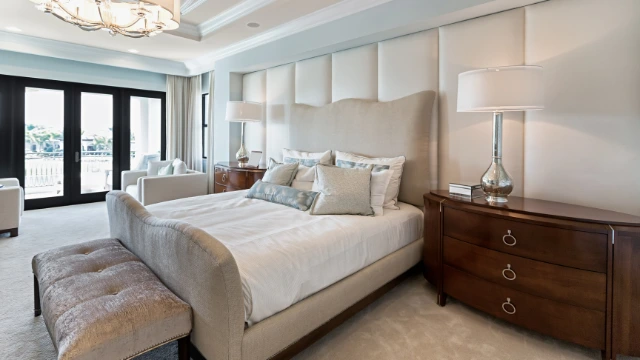
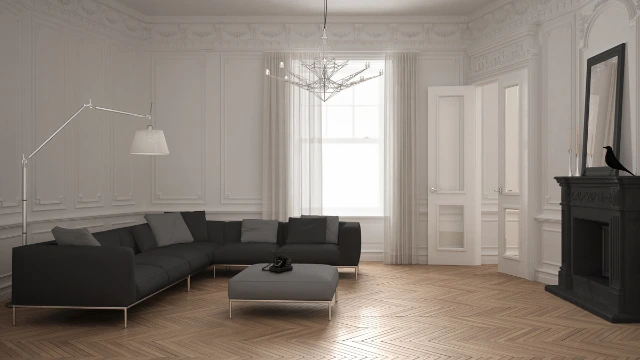
A well-lit interior is more than just aesthetics. It affects the mood, energy, and perceived size of a space. When a room is properly lit, it feels larger, cleaner, and noticeably more inviting. Conversely, dark, cramped spaces can make a home feel heavy and closed in. Achieving this light-filled illusion doesn’t always require knocking down walls or installing new windows. Often, the magic lies in understanding and controlling how light interacts with surfaces, texture, and color.
At Bento Reno Group Inc, our design expertise is focused on creating spaces that maximize natural light and feel spacious. So, we’ve compiled our most effective layout and material hacks to help you create a light-filled interior, transforming even the darkest rooms into airy havens.
1. Master the Reflective Power of Color
Color choice is the single most powerful tool for creating a light, bright look. First and foremost, light colors absorb significantly less light than dark colors, ensuring that more light is reflected back into the room. While pure white is the classic choice, soft off-whites, pale grays, and muted pastels can be just as effective. The key is to apply this principle to more than just the walls. Use light colors on ceilings, trim, and larger pieces of furniture like sofas. In essence, this monochromatic, reflective palette acts as a canvas, allowing light to spread evenly throughout the space.
2. Leverage Mirrors and Glossy Surfaces
Mirrors are the oldest designer trick for maximizing light and space. In particular, placing a large mirror directly across from a window will double the amount of natural light entering the room, instantly making the space feel twice as bright and spacious. Furthermore, extend this principle of reflection to its fullest. Opt for semi-gloss or high-gloss paint on trim and cabinets. Also, choose reflective materials like glass, chrome, and polished stone for tabletops and accessories. In this way, these reflective elements capture and diffuse light sources, eliminating dark corners.
3. Choose Furniture That Doesn’t Block Flow
The furniture you choose and how you position it can dramatically affect the flow of light and air. So, avoid large, bulky pieces that visually clutter the room or block pathways. Instead, opt for furniture with exposed legs (such as sofas and chairs that are raised off the floor). Conversely, when you can see the floor extending beneath the piece, it creates the illusion of extra space and openness. Additionally, be mindful of window placement; use light-filtering sheer blinds or minimal curtains that can be pulled back completely to maximize daylight transmission.
4. Layer Your Artificial Lighting Smartly
Even the most sunlit room needs supplemental artificial lighting. As a result, it’s important to layer light sources rather than relying on a single overhead fixture to achieve a light-filled space. Use ceiling lights (ambient), floor and table lamps (task and accent), and wall sconces to create depth. Additionally, use daylight spectrum LED bulbs (around 4000K) to mimic natural light, ensuring the room remains crisp and bright even after sunset.
Ready to unlock the potential of a light-filled interior? Contact Bento Reno Group Inc today to discuss how strategic renovation and design can transform your home into a spacious, light-filled haven. ***Here are the required editing assets for your blog post, “The Illusion of Space: How to Achieve a Light-Bright Interior in Any Room,” following the strict English, paragraph, and headline-only format.
(FAQs)
1. Which colors are best for achieving a Light Bright interior? Light, reflective colors are best, as they absorb less light and bounce more back into the room. Ideal choices include pure whites, soft off-whites, pale grays, and muted pastels. These should be used on walls, ceilings, and trim.
2. How should mirrors be used to maximize the Light Bright effect? Mirrors should be placed strategically, ideally directly across from or adjacent to a window. This placement effectively doubles the amount of natural light entering the room and creates an illusion of greater depth and space.
3. When selecting furniture for a Light Bright room, what physical feature should I look for? You should choose furniture with exposed legs (e.g., sofas, side chairs, or tables that are lifted off the floor). When you can see the floor continuing underneath the furniture, it increases the perceived area of the floor space, contributing to the feeling of openness and size.