Choosing the right flooring can significantly enhance your home’s appearance, comfort, and functionality. However, selecting an attractive material alone is not enough to achieve a beautiful and durable result; proper flooring installation involves careful planning, surface preparation, material selection, and attention to detail.
Whether you are renovating a kitchen, modernizing a living room, or finishing a basement, understanding the installation process can help you make informed decisions. At ‘Bento Reno Group Inc.’, homeowners can find renovation solutions that align with their goals for enhancing their home’s interior.
Choose the Right Flooring Material
One of the first steps in Flooring Installation is choosing a material that suits your lifestyle, budget, and room requirements. Different flooring options offer different benefits.
For example, hardwood flooring provides a timeless appearance, while laminate offers a variety of designs that can resemble natural wood. Similarly, vinyl flooring is available in many styles, and tile is a popular option for areas where moisture resistance is important.
Furthermore, consider how much foot traffic each room receives. Busy hallways and family spaces may require durable materials, whereas bedrooms may prioritize comfort and appearance. Therefore, comparing the advantages and maintenance requirements of each option can help you select suitable flooring.
Prepare the Subfloor Properly
Although flooring materials often receive the most attention, the subfloor is equally important. A clean, stable, and appropriately level surface helps support a successful installation.
Before work begins, the existing floor may need to be removed, and the subfloor should be inspected for damage, moisture, or uneven areas. Additionally, any necessary repairs should be completed before the new flooring is installed.
As a result, proper preparation can help reduce the risk of movement, uneven surfaces, and other installation problems. Moreover, following the flooring manufacturer’s preparation instructions is essential for achieving the intended performance.
Understand the Flooring Installation Process
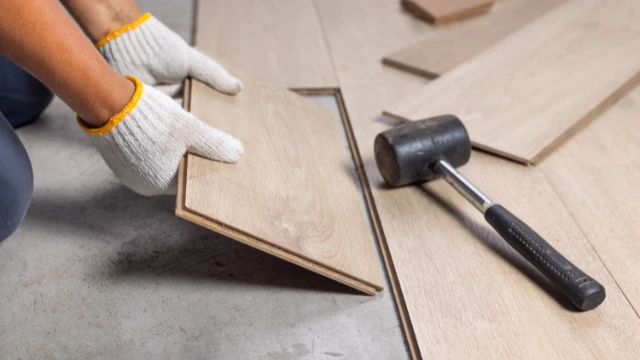
The installation process varies depending on the chosen material. For instance, some flooring products utilize a click-lock system, while others may require adhesives, fasteners, grout, or specialized tools.
Consequently, it is essential to understand the specific requirements of your chosen flooring before starting the project. Depending on the manufacturer’s recommendations, some materials may also need time to acclimate to the room’s conditions.
Furthermore, accurate measurements and careful cutting help create clean edges around doorways, corners, cabinets, and other fixtures. Professional installation can also ensure that transitions between different flooring materials look seamless and polished.
Consider Your Budget and Timeline
Before starting Flooring Installation, establish a realistic budget that accounts for materials, labour, subfloor preparation, removal of existing flooring, and finishing details.
However, the total cost may vary depending on room size, material quality, installation complexity, and any repairs required. Therefore, requesting a detailed estimate can help you understand the expected expenses.
Similarly, discuss the project timeline in advance. Material availability, preparation work, and unexpected conditions may affect the schedule. As a result, planning ahead can help minimize disruptions to your household.
Maintain Your New Flooring
Once installation is complete, proper maintenance helps preserve your flooring’s appearance. However, different materials require different cleaning methods and care routines.
For example, use cleaning products suitable for the installed material and follow the manufacturer’s maintenance instructions. Additionally, placing protective pads under furniture and cleaning spills promptly can help prevent avoidable damage.
Regular maintenance can therefore help your flooring remain attractive and functional for years.
Work with Bento Reno Group Inc.
Flooring Installation is an important part of many home renovation projects. From selecting suitable materials to preparing surfaces and completing finishing details, each stage contributes to the final result.
Bento Reno Group Inc. can help homeowners explore renovation options that align with their space, preferences, and project goals. Ultimately, careful planning and professional attention can help create a more comfortable and visually appealing home.
Conclusion
Successful Flooring Installation begins with choosing suitable materials, preparing the subfloor, understanding installation requirements, and planning your budget. Moreover, consistent maintenance can help protect your investment over time.
By considering these factors before work begins, homeowners can approach their flooring projects with greater confidence and make choices that complement their homes.
FAQs
1. What should homeowners consider before Flooring Installation?
Homeowners should consider the room’s purpose, flooring material, durability, maintenance requirements, budget, and subfloor condition. Additionally, measuring the space accurately can help with material planning.
2. How long does Flooring Installation take?
The timeline depends on the room size, flooring material, subfloor preparation, and project complexity. Therefore, it is best to discuss the expected schedule with your flooring contractor before work begins.
3. Why is professional Flooring Installation important?
Professional Flooring Installation can help ensure proper surface preparation, accurate measurements, suitable fitting techniques, and clean finishing details. Consequently, it can help reduce avoidable installation problems and improve the finished appearance.